
Understanding Siding Materials
Your Guide to Choosing the Right Exterior for Your Home
Choosing the right siding for your home is more than just a matter of aesthetics. It’s about finding the perfect balance between durability, maintenance, cost, and environmental impact. With numerous options available, each offering its own set of benefits and considerations, it’s crucial to understand the differences. This guide will walk you through the key features, advantages, and drawbacks of the most popular siding materials: vinyl, wood, fiber cement, and metal.
Vinyl Siding
Vinyl siding, a durable and low-maintenance option, has become a favorite among homeowners and builders alike. Made from PVC (polyvinyl chloride), it stands up well against the elements, resisting moisture and fading from sunlight. Its cost-effectiveness and wide range of colors and styles make vinyl a versatile choice for any home’s exterior.
Advantages:
- Cost-effective compared to other materials.
- Minimal maintenance required, with no need for painting.
- Wide variety of colors and textures.
Considerations:
- Some perceive vinyl as less aesthetically pleasing compared to natural materials.
- Environmental concerns due to PVC composition and challenges in recycling.
Wood Siding
Wood siding offers timeless beauty and natural charm that can enhance any home design. Available in various types such as cedar, pine, and redwood, wood siding provides excellent insulation and is customizable through painting or staining.
Benefits:
- Natural, versatile appearance that ages beautifully.
- Good insulating properties.
- Can be painted or stained to match any color scheme.
Maintenance Requirements:
- Requires regular painting or staining to prevent moisture damage and rot.
- Susceptible to insect damage, requiring periodic treatments.
Fiber Cement Siding
Fiber cement siding, a composite material made of cement, sand, and cellulose fibers, offers a robust alternative that mimics the look of wood, stone, or brick. It’s known for its durability, fire resistance, and minimal upkeep.
Pros:
- Highly durable, with resistance to rot, fire, and termites.
- Low maintenance, not requiring frequent painting.
- Available in a variety of textures and colors.
Cons:
- Installation is more labor-intensive, often resulting in higher costs.
- Heavier material, requiring additional support.
Metal Siding
Metal siding, typically made from aluminum or steel, provides a modern look and exceptional longevity. It’s especially suited for regions prone to severe weather due to its strength and resistance to fire.
Advantages:
- Exceptional durability and lifespan.
- Fire-resistant and recyclable, offering an eco-friendly choice.
- Low maintenance, with resistance to pests and rot.
Challenges:
- Can be more expensive than some other options.
- Prone to denting and may be noisy during rain or hail storms.
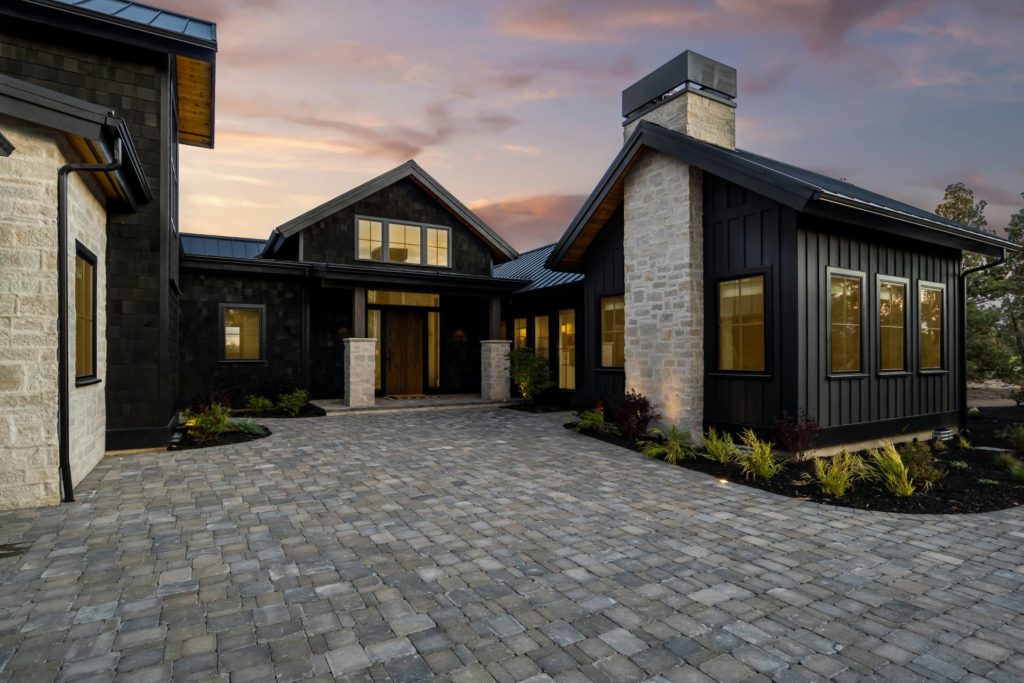
Siding Materials Comparative Analysis
| Material | Cost | Maintenance | Durability | Aesthetic Appeal |
|---|---|---|---|---|
| Vinyl | Low | Low | High | Moderate |
| Wood | Moderate-High | High | Moderate | High |
| Fiber Cement | Moderate | Low | High | High |
| Metal | High | Low | Very High | Variable |
Environmental Considerations
When choosing siding materials, it’s also important to consider the environmental impact. Materials like metal offer recyclability, while wood provides a natural option but may require more resources to maintain. Fiber cement and vinyl present durability, but their production processes and end-of-life disposal impact the environment differently.
Siding Installation and Professional Guidance
Regardless of the material you choose, professional installation is key to ensuring your siding performs optimally. A skilled contractor can advise on the best material for your home’s climate and architectural style, ensuring a lasting investment.
Cost vs. Value: Making an Informed Decision
While initial costs are an important consideration, it’s also vital to think about the long-term value siding adds to your home. Durable, low-maintenance materials may offer greater savings and value over time, even if their upfront cost is higher.
Siding Maintenance and Care
Proper maintenance extends the life of your siding, regardless of the material. Regular cleaning, prompt repairs, and, for some materials, periodic painting or sealing can keep your siding looking great and performing well for years to come.
Conclusion
Your home’s siding is a significant investment that affects its appearance, energy efficiency, and resilience. By considering the materials’ features, benefits, and maintenance requirements, you can make an informed decision that meets your needs, preferences, and budget. Whether you choose the classic appeal of wood, the durability of metal, the versatility of vinyl, or the robustness of fiber cement, ensure your choice reflects your home’s style and your long-term goals for maintenance and performance. To learn more about home siding, read our Introduction To Siding Guide.